Thai food art is the practice of transforming ingredients into intricate decorative pieces — most notably through fruit and vegetable carving, known locally as kae-sa-lak. Dating back to the Sukhothai period in the 13th century, this culinary tradition was originally reserved for royal banquets and religious ceremonies. Today, it lives on in both professional kitchens and cultural festivals across the country.
The history behind the craft
According to Thai folklore, the tradition began during the Loi Krathong festival when a court lady named Nang Noppamart created elaborately carved flowers and birds to decorate a floating lantern for the king. The king was so captivated that he ordered all women in the royal court to learn the skill. Over the centuries, what began as a royal art form gradually passed into broader Thai culture, becoming a point of national pride.
Carving fruits and vegetables
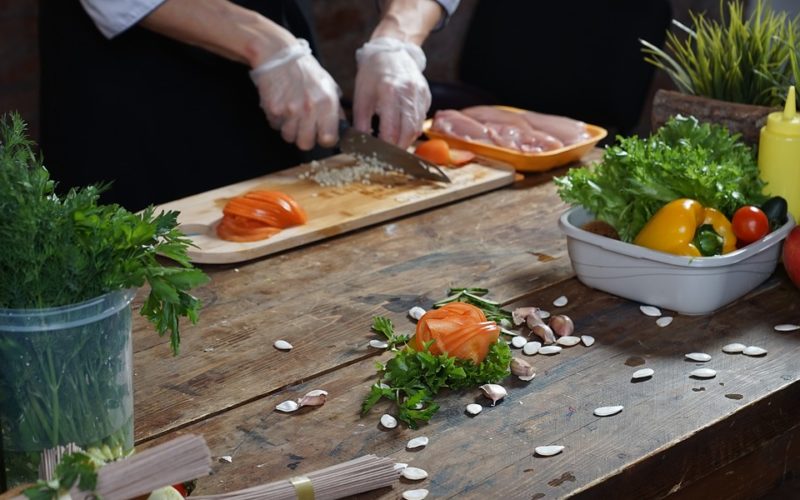
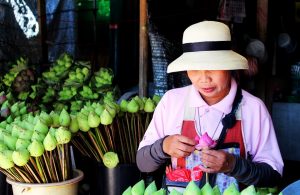
Fruit and vegetable carving sits at the heart of Thai food art. Skilled artisans use small, pointed knives to sculpt watermelons, papayas, carrots, and cucumbers into flowers, birds, and mythological creatures. A single piece can take several hours to complete, demanding precision, patience, and a deep understanding of each ingredient's texture and resistance. The results are stunning — a watermelon transformed into a blooming lotus, or a carrot whittled into a delicate rose.
Rice and noodle presentations
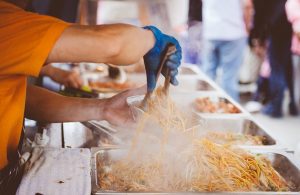
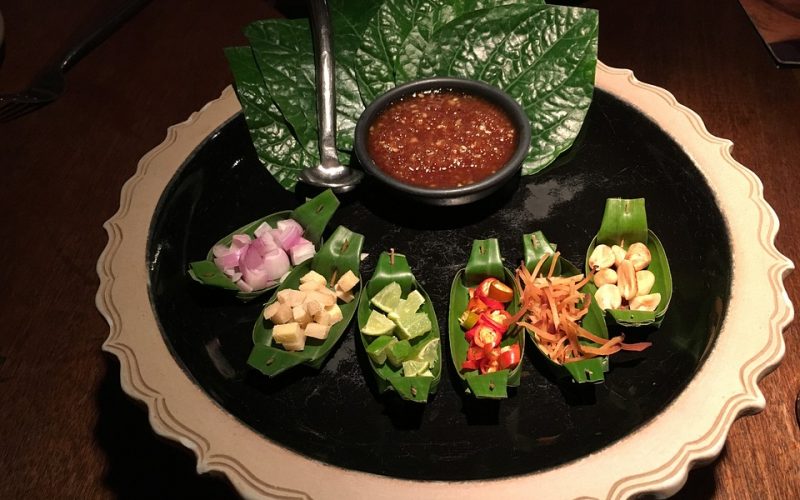
Beyond carving, Thai food art extends to the careful plating of everyday dishes. Jasmine rice is sometimes moulded into decorative shapes, while noodle dishes are arranged with symmetry and colour in mind. Edible flowers, fresh herbs, and chilli slices are placed with intention rather than scattered as an afterthought. Even street food vendors often garnish their dishes with a carved vegetable or a neat sprig of coriander — a small but meaningful gesture towards beauty.
Thai food art in modern cuisine
Contemporary Thai chefs are finding new ways to honour this tradition whilst adapting it for modern dining. Fine dining restaurants in Bangkok and Chiang Mai now incorporate traditional carving techniques alongside modern plating methods, creating a visual dialogue between old and new. International culinary competitions have also helped raise the profile of Thai food art on the world stage, with Thai competitors consistently earning recognition for their extraordinary skill and creativity.
Learning the art form
For those eager to try their hand at Thai food art, short courses are widely available throughout Thailand, particularly in Chiang Mai and Bangkok. Many cooking schools offer beginner carving classes alongside traditional Thai cooking lessons, making it accessible to travellers and enthusiasts alike. Mastering the basics requires little more than a sharp knife, a firm piece of fruit, and a willingness to practise.
Why Thai food art still matters
Thai food art is a living expression of the country's broader cultural values — hospitality, respect, and the belief that beauty has a place in everyday life. As global food culture continues to prioritise speed and convenience, this centuries-old practice serves as a quiet reminder that meals can be more than nourishment. They can be experiences, crafted with care and offered with pride.